




Data and information have a connection, but they're not identical. Data basically means raw facts like numbers, symbols, or observations without any context. On the other hand, information is data that has been worked on, structured, or explained to make it valuable and helpful for making decisions.Read more
Data and information have a connection, but they’re not identical. Data basically means raw facts like numbers, symbols, or observations without any context. On the other hand, information is data that has been worked on, structured, or explained to make it valuable and helpful for making decisions. To put it simply, data is what you start with, while information is what you get after turning that data into something useful.
See less


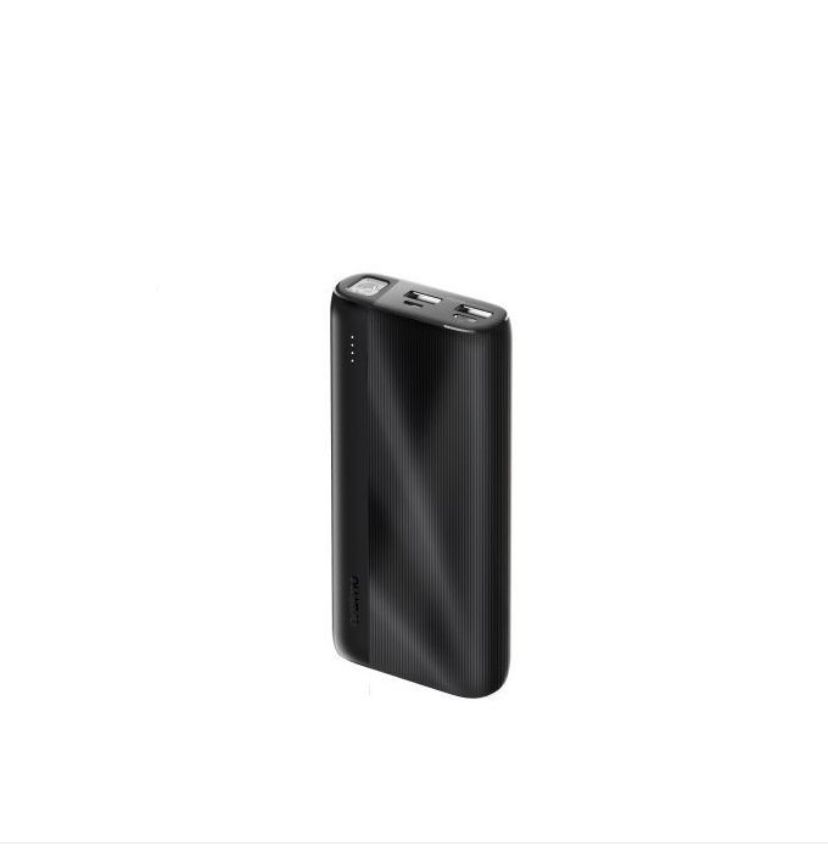




Deciding whether to buy a 10,000 mAh, 20,000 mAh, 27,000 mAh or even 50,000 mAh power bank depends on your usage, portability needs, device types and quality of the unit. Below is a breakdown of the pros/cons and what to watch out for, so you can decide what’s wise for you. --- ✅ What capacity you mRead more
Deciding whether to buy a 10,000 mAh, 20,000 mAh, 27,000 mAh or even 50,000 mAh power bank depends on your usage, portability needs, device types and quality of the unit. Below is a breakdown of the pros/cons and what to watch out for, so you can decide what’s wise for you.
—
✅ What capacity you might need
A 10,000 mAh power bank is usually enough for 1-2 full charges of a typical smartphone.
A 20,000 mAh unit will cover more: multiple smartphone charges, possibly a tablet once or twice if needed.
A 27,000 mAh or higher capacity is useful if you plan to charge multiple devices (phones + tablet + maybe a small laptop) or you’ll be away from power for a while.
A “50,000 mAh” unit is extremely large. It may offer huge capacity but will likely be heavy, bulky, slower to recharge itself, and you’ll still have to check if it’s real/quality.
See less